Innovation is most valuable when it solves meaningful healthcare problems.
Every research programme at S2M begins by understanding:
- • Clinical challenges
- • Unmet healthcare needs
- • Patient experience
- • Public health priorities
- • Emerging scientific opportunities
This need-driven approach ensures that research remains closely aligned with real-world healthcare requirements rather than technology for its own sake.
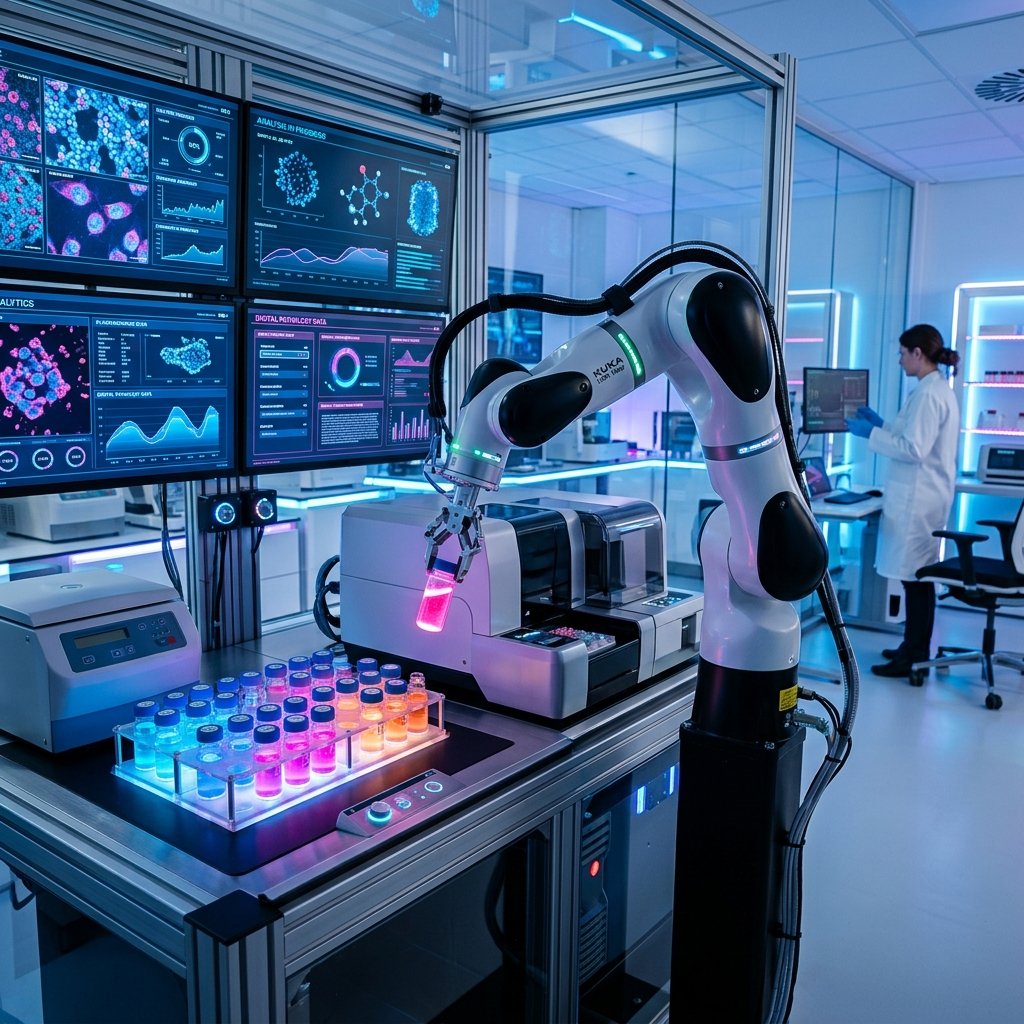
Our Research Philosophy
Scientific discovery alone is not enough.
Our innovation model integrates the complete journey from concept to clinical implementation.
Clinical Need
→Scientific Investigation
→Technology Development
→Engineering & Design
↓Manufacturing
↓Product Development
←Clinical Evaluation
←Prototype Validation
←Healthcare Deployment
→Continuous Improvement
This integrated approach reflects our Science to Market philosophy, ensuring that promising ideas evolve into solutions capable of creating measurable healthcare impact.
Our Research Domains
S2M's multidisciplinary research programmes span several areas of healthcare technology.
Preventive Healthcare
Developing technologies that support earlier detection, organised screening and improved population health through accessible and scalable healthcare solutions. Current areas of focus include:
- Oral cancer screening
- Breast health
- Cervical cancer screening
- Infectious disease screening
Artificial Intelligence
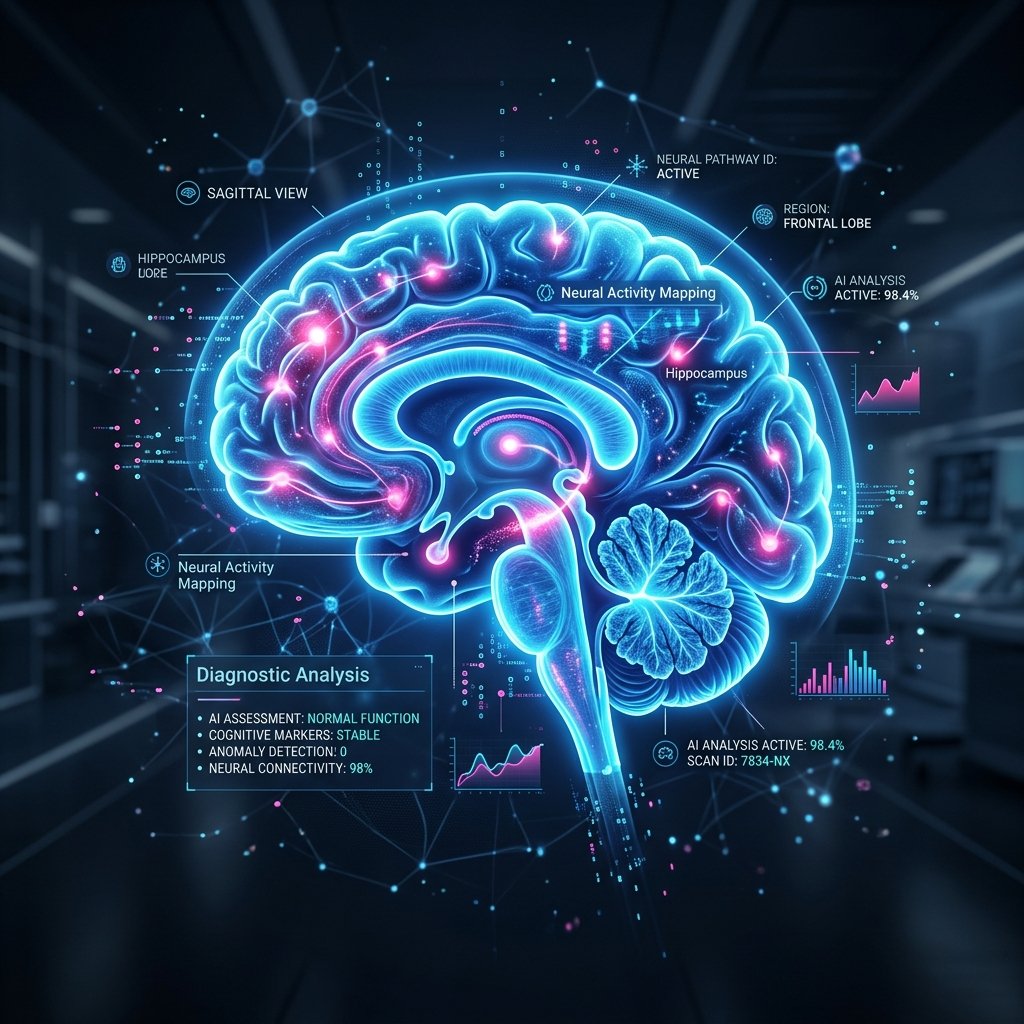
Artificial intelligence is transforming healthcare by improving the speed, consistency and efficiency of clinical workflows. Our AI research explores applications including:
- Medical image analysis
- Digital pathology
- Clinical decision support
- Pattern recognition
- Workflow optimisation
- Predictive healthcare analytics
Our objective is to develop AI systems that support healthcare professionals while maintaining clinician oversight in all medical decision-making.
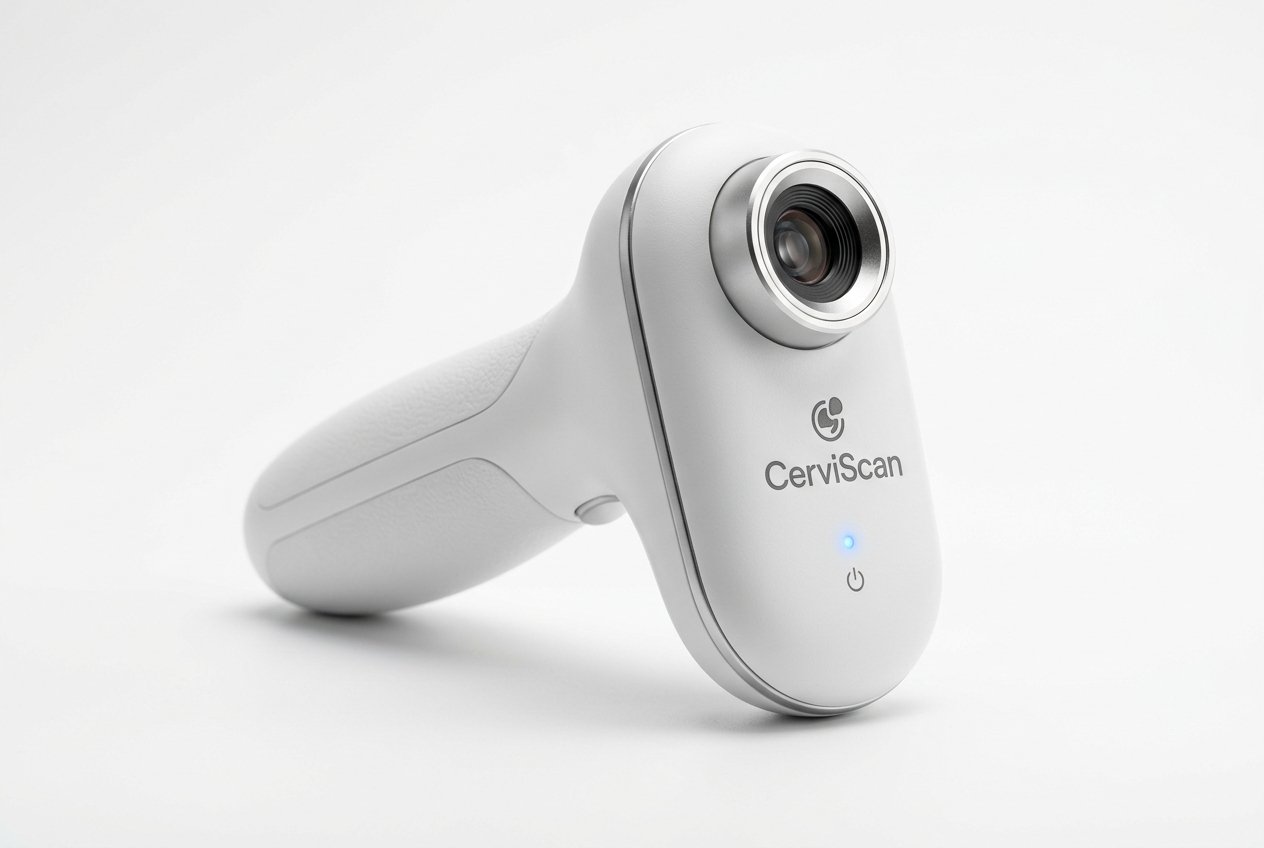
Medical Devices
Engineering research focuses on creating practical healthcare technologies that combine usability, reliability and clinical relevance. Research areas include:
- Medical electronics
- Sensor technologies
- Embedded systems
- Biomedical instrumentation
- Human-centred device design
- Connected medical devices
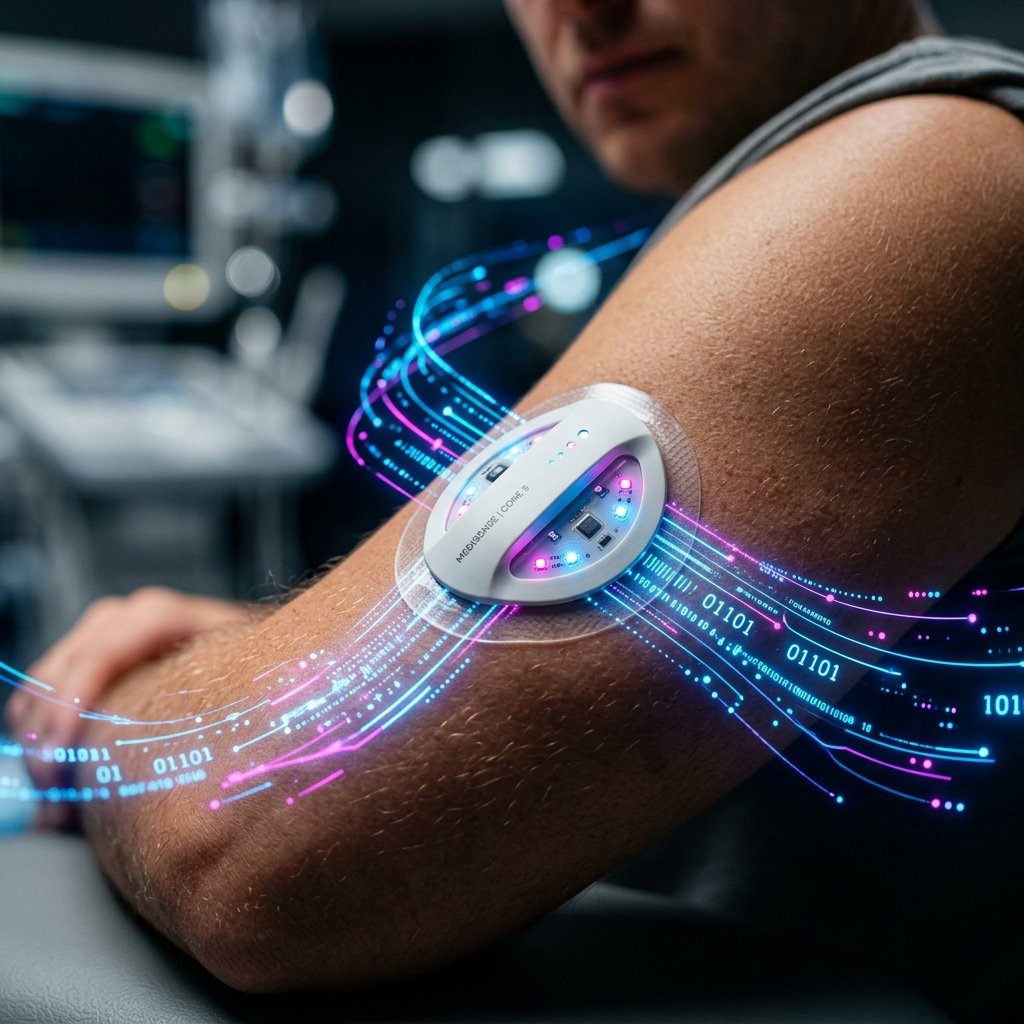
Wearable Health Technologies
Wearable devices represent an important step towards continuous health monitoring and patient-centred care. Our research explores:
- Continuous physiological monitoring
- Smart wearable systems
- Sensor integration
- Longitudinal health assessment
- Connected healthcare platforms
Biosensor Technologies
Rapid, portable diagnostics require highly sensitive and reliable sensing platforms. Research in biosensors includes:
- Biological sensing technologies
- Electrochemical and optical sensing approaches
- Portable diagnostic platforms
- Point-of-care testing
- Future multiplex detection technologies
These efforts support the continued evolution of platforms such as CoLoSens® and future infectious disease applications.
Digital Health
Digital platforms enable healthcare technologies to work together as connected ecosystems. Research focuses on:
- Healthcare software platforms
- Cloud-based clinical systems
- Digital workflow management
- Healthcare informatics
- Secure health data management
- Population health analytics
Innovation Through Collaboration
Meaningful healthcare innovation depends on collaboration across disciplines. S2M actively engages with:
- → Clinicians
- → Hospitals
- → Medical Colleges
- → Universities
- → Research Institutions
- → Industry Partners
-
→
Public Health
Organisations - → Government Agencies
These collaborations ensure that research remains clinically relevant while accelerating the translation of new knowledge into healthcare solutions.
From Laboratory to Clinical Practice
Successful innovation requires more than scientific excellence.
Every technology developed at S2M is evaluated through a structured development pathway that considers:
- Technical feasibility
- Clinical applicability
- User experience
- Manufacturing readiness
- Quality requirements
- Scalability
- Deployment potential
This systematic process helps ensure that innovations can move confidently from research laboratories into real-world healthcare environments.
Building Indigenous Healthcare Technologies
India faces healthcare challenges that require locally developed solutions designed for local realities. S2M is committed to strengthening indigenous medical technology by combining scientific research with engineering capability and manufacturing expertise.
Developing technologies within India enables:
Looking Towards the Future
Healthcare innovation continues to evolve through advances in artificial intelligence, digital health, wearable technologies, biosensors, connected medical devices and data-driven clinical care.
S2M is committed to expanding its research portfolio in these and other emerging areas while exploring new opportunities that can reshape preventive healthcare and improve patient outcomes.
Our long-term vision is to build platform technologies that not only address today's healthcare challenges but also provide the foundation for tomorrow's innovations.
Innovation Pipeline
Research is a continuous journey.
Across our portfolio, S2M continues to explore opportunities for:
These programmes reflect our commitment to continuous advancement while ensuring that innovation remains grounded in clinical value and societal impact.
Collaborate to Shape the Future of Healthcare.
Whether you are a clinician, researcher, academic institution, healthcare organisation or industry partner, we welcome opportunities to collaborate in advancing medical science and developing technologies that improve lives.