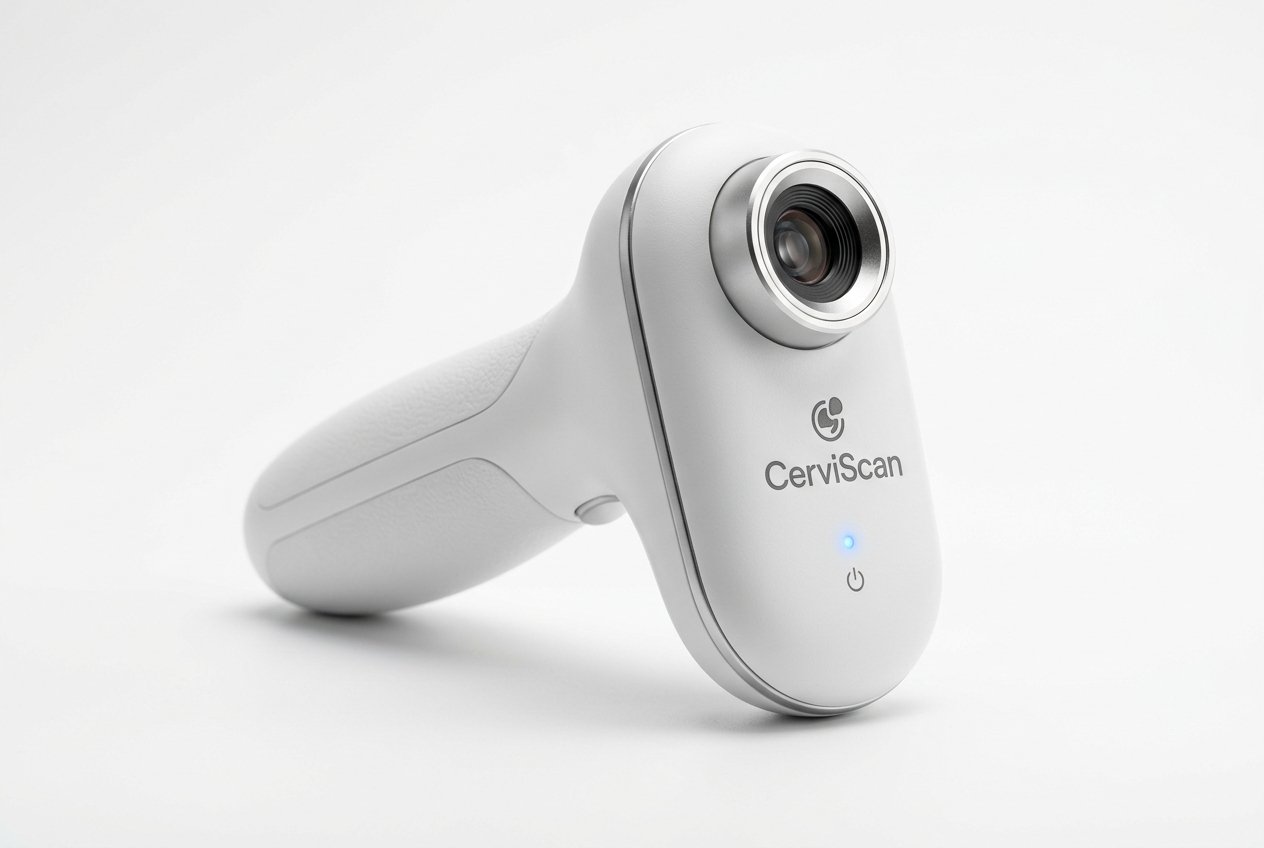
Our Portfolio.
Intelligent technologies and integrated ecosystems designed to strengthen preventive healthcare across oral, breast and cervical cancer screening.
Detect Earlier. Act Sooner. Save Lives.
Oral cancer is one of the most common cancers in India, accounting for a significant proportion of cancer-related morbidity and mortality. Despite being largely preventable and visually accessible, many cases continue to be diagnosed only after the disease has progressed to advanced stages, when treatment becomes more complex and survival rates decline.
Early detection remains one of the most effective strategies for reducing the burden of oral cancer. Identifying suspicious lesions before they become invasive allows timely intervention, improves treatment outcomes and helps preserve quality of life.
S2M is committed to strengthening oral cancer screening through intelligent technologies that combine clinical expertise, digital imaging and artificial intelligence to support faster, more consistent and more accessible screening.
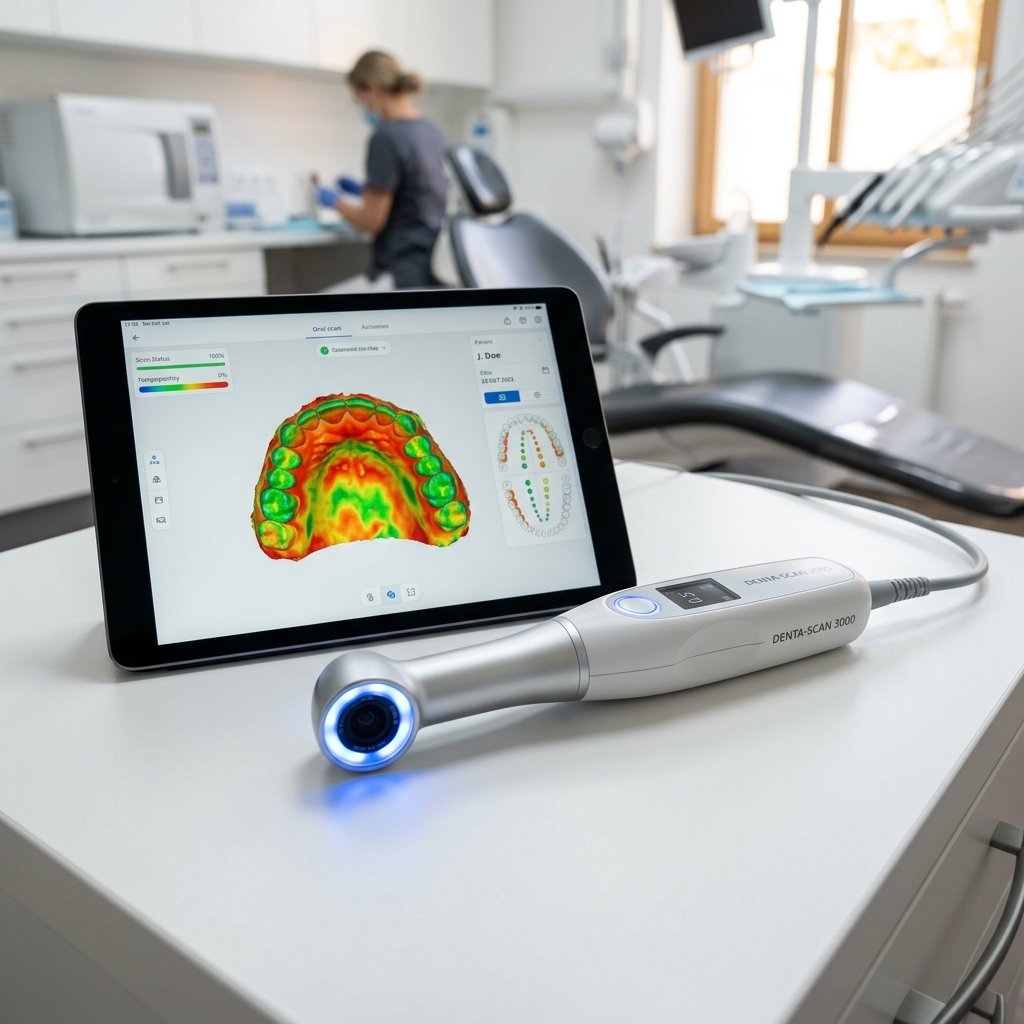
The Growing Burden of Oral Cancer
India bears one of the highest burdens of oral cancer globally, driven largely by the widespread use of tobacco in smoked and smokeless forms, betel quid, areca nut consumption and alcohol use. Increasingly, changing lifestyles and other risk factors are contributing to disease incidence across broader populations.
Many oral cancers develop gradually from potentially malignant disorders that are visible during routine examination. Yet these early changes often go unnoticed, particularly in communities with limited access to specialist care.
Organised screening programmes provide an opportunity to identify abnormalities at an earlier stage, enabling timely referral and clinical management before disease progresses.
Why Early Detection Matters
The progression from a normal oral mucosa to a potentially malignant disorder and eventually to invasive cancer often occurs over time. This provides an important window during which screening can identify suspicious lesions for further evaluation.
Earlier detection can contribute to:
- Earlier clinical intervention
- Improved treatment outcomes
- Better functional and cosmetic preservation
- Reduced treatment complexity
- Lower healthcare costs
- Improved survival and quality of life
For healthcare systems, organised screening also enables more efficient use of specialist resources by identifying individuals who require further clinical assessment.
Challenges in Conventional Screening
Visual oral examination remains the cornerstone of screening. However, large-scale screening programmes present several practical challenges such as variability in clinical experience, subjective interpretation, high patient volumes, and inconsistent documentation.
These challenges highlight the need for technologies that support clinicians without replacing clinical judgement.
Introducing Oral Scan
Oral Scan is S2M's AI-assisted oral cancer screening platform developed to support clinicians in the early identification and documentation of suspicious oral lesions. Designed as an integrated digital screening solution, Oral Scan combines high-quality clinical imaging, artificial intelligence and digital workflow management to improve the efficiency and consistency of oral cancer screening programmes.
Rather than functioning as a standalone device, Oral Scan is part of a connected screening ecosystem that assists healthcare professionals throughout the screening pathway—from patient registration and image capture to AI-assisted analysis, documentation and referral.
A Technology Ecosystem for Modern Screening
Oral Scan has been developed by integrating multiple technologies into a unified clinical platform.
High-Resolution Clinical Imaging
Standardised image acquisition supports consistent visual documentation of oral lesions, enabling comparison over time and facilitating specialist review.
Artificial Intelligence
AI-assisted image analysis helps identify suspicious features that may warrant closer clinical evaluation. By supporting consistency in image interpretation, the technology assists clinicians during large-scale screening programmes while ensuring that final clinical decisions remain with qualified healthcare professionals.
Digital Patient Management
Comprehensive digital patient records and clinical workflow tools ensure accurate traceability across the screening pathway, from initial documentation to referral.
How Oral Scan Works
The platform supports a structured screening workflow that integrates seamlessly into routine clinical practice and organised screening programmes.
Patient Registration
→Clinical History & Risk Assessment
→High-Resolution Oral Image Capture
→AI-Assisted Image Analysis
↓Follow-up and Programme Monitoring
Referral for Further Investigation
←Digital Documentation & Reporting
←Clinical Review by Professional
←This workflow promotes standardisation while improving documentation and programme management.
Designed for Diverse Healthcare Settings
Oral Scan has been developed for flexibility across a wide range of screening environments, including:
- Dental clinics
- Hospitals
- Medical colleges
- Community screening programmes
- Mobile healthcare units
- Rural health initiatives
- Occupational health programmes
- Government and public health screening campaigns
Its digital workflow enables healthcare providers to conduct organised screening efficiently across both urban and remote settings.
Empowering Clinicians Through AI
Artificial intelligence is designed to complement—not replace—clinical expertise.
Within Oral Scan, AI supports healthcare professionals by assisting with image evaluation and helping prioritise cases that may require closer clinical attention. This can improve workflow efficiency, particularly in high-volume screening environments, while maintaining clinician oversight for diagnosis and patient management.
Supporting Organised Screening Programmes
Successful screening programmes require more than technology alone. They depend on structured processes, accurate documentation and reliable follow-up.
Oral Scan supports programme management through:
- Digital participant registration
- Standardised clinical documentation
- Secure image storage
- AI-assisted screening support
- Centralised reporting
- Referral tracking
- Follow-up management
- Programme analytics
These capabilities help healthcare organisations implement scalable and measurable oral cancer screening initiatives.
Benefits
For Clinicians
- AI-assisted screening support
- Standardised image documentation
- Improved clinical workflow
- Digital patient records
- Efficient case management
For Healthcare Organisations
- Scalable screening programmes
- Consistent documentation
- Centralised data management
- Improved operational efficiency
- Better programme monitoring
For Public Health Agencies
- Population-scale screening capability
- Improved access to early detection
- Structured referral pathways
- Digital programme oversight
- Support for community health initiatives
Looking Ahead
The future of oral cancer screening lies in connected, intelligent and accessible healthcare systems.
S2M continues to advance Oral Scan through ongoing research in artificial intelligence, digital health and clinical workflow optimisation, with the objective of making organised oral cancer screening more efficient, scalable and widely accessible.
By combining scientific research with practical healthcare delivery, Oral Scan represents S2M's commitment to reducing the burden of oral cancer through earlier detection and stronger screening programmes.
Strengthen Your Oral Cancer Screening Programme.
Discover how Oral Scan can help your organisation deliver more efficient, consistent and digitally connected oral cancer screening across hospitals, clinics and community health programmes.
Smarter Breast Health Begins with Earlier Insight.
Breast cancer is the most commonly diagnosed cancer among women worldwide and is an increasing healthcare concern in India. Clinical outcomes improve significantly when abnormalities are recognised at an earlier stage, yet many women continue to delay screening because of limited access, anxiety, discomfort or dependence on conventional imaging facilities.
Improving breast health requires technologies that are comfortable, accessible and suitable for regular monitoring. It also requires moving beyond episodic examinations towards approaches that provide deeper physiological insight.
S2M is advancing breast health through innovative wearable technologies that enable continuous thermal monitoring, supporting clinicians with additional physiological information while encouraging greater participation in preventive breast healthcare.
Request a Demonstration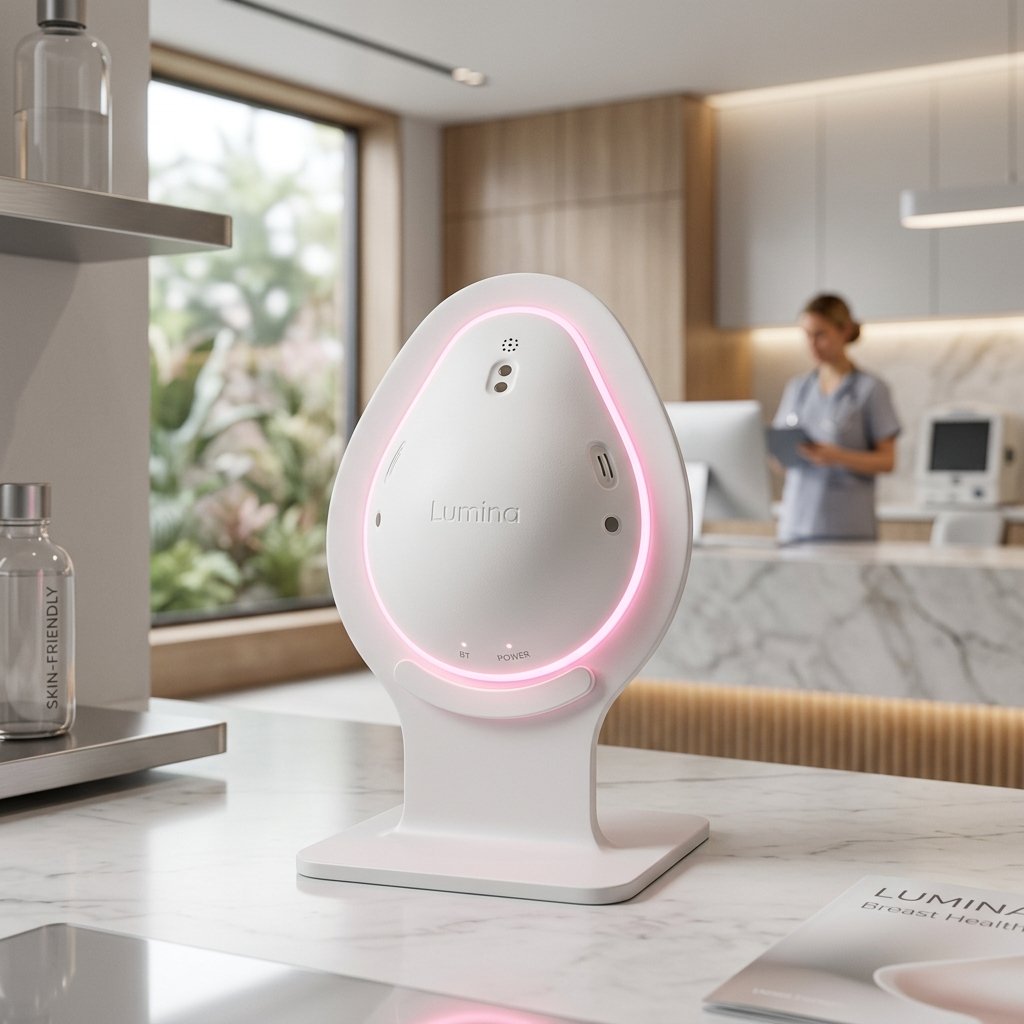
Why Breast Health Matters
Breast health extends beyond the diagnosis of cancer. It includes awareness, regular screening, clinical evaluation and ongoing monitoring throughout different stages of a woman's life.
Many breast diseases are treatable when recognised early. However, successful early detection depends on women participating in regular screening programmes and having access to technologies that are safe, convenient and acceptable.
Improving participation remains one of the greatest challenges in breast healthcare.
Challenges in Conventional Screening
Conventional breast imaging has transformed breast cancer detection, yet no single screening modality is suitable for every woman or every clinical situation.
Practical challenges may include:
- Limited access to specialised imaging centres
- Infrastructure requirements
- Patient discomfort or anxiety
- Radiation exposure associated with certain imaging modalities
- Difficulty conducting repeated assessments over short intervals
- Limited accessibility during community outreach programmes
These challenges have encouraged the development of complementary technologies that evaluate physiological changes associated with breast tissue.
A Different Perspective on Breast Health
Physiological changes within breast tissue often occur before structural abnormalities become clinically apparent.
Changes in vascular activity, metabolism and tissue function may influence local temperature patterns. Monitoring these physiological changes provides additional information that can support breast health assessment and ongoing clinical evaluation.
Continuous thermal monitoring represents one such complementary approach, offering clinicians another dimension of information alongside established clinical practice.
Wearable Breast Screening System
S2M's wearable breast screening system is designed to support physiological breast assessment through continuous thermal monitoring.
Unlike conventional approaches that capture a single point-in-time image, the wearable system continuously records thermal patterns over an extended period using high-sensitivity thermal sensors integrated into a comfortable wearable device. This longitudinal approach provides additional physiological information that may assist clinicians in breast health evaluation.
Designed with patient comfort at its core, the system enables a non-invasive, radiation-free and user-friendly experience that encourages regular monitoring.
Wearable Technology for Modern Breast Care
At the heart of the system is an intelligent wearable device engineered to make breast health assessment more convenient and accessible.
The wearable platform has been designed to:
- Maintain patient comfort during monitoring
- Enable continuous thermal data acquisition
- Reduce disruption to normal daily activities
- Capture physiological information over time
- Support repeat assessments without radiation exposure
By combining wearable electronics with advanced sensing technology, the wearable breast screening system introduces a patient-centric approach to breast health monitoring.
The Science of Continuous Thermal Monitoring
Breast tissue is physiologically active. Variations in blood flow, metabolic activity and inflammatory processes may influence thermal distribution across breast tissue.
The wearable breast screening system continuously monitors these thermal patterns rather than relying on a single measurement. Longitudinal data can provide clinicians with additional physiological insights that complement clinical examination and other diagnostic investigations where appropriate.
This continuous monitoring capability distinguishes the system from traditional point-in-time thermal assessments.
Intelligent Digital Platform
The wearable breast screening system extends beyond wearable hardware.
The platform integrates digital technologies that support efficient clinical workflows, including:
- Continuous sensor data acquisition
- Digital data management
- Automated thermal pattern analysis
- Secure patient records
- Report generation
- Longitudinal comparison of monitoring sessions
- Integration with broader digital healthcare ecosystems
This connected approach improves documentation while enabling more informed clinical assessment.
Clinical Workflow
The wearable breast screening system has been designed to integrate seamlessly into clinical practice.
Patient Registration
→Wearable Device Placement
→Continuous Thermal Monitoring
→Digital Data Acquisition
↓Follow-up Monitoring (when required)
Digital Reporting
←Clinical Review
←Thermal Pattern Analysis
←Applications
The wearable breast screening system is suitable for deployment across diverse healthcare environments.
These include:
- Women's health clinics
- Breast care centres
- Hospitals
- Preventive healthcare centres
- Community breast health programmes
- Corporate wellness initiatives
- Rural healthcare outreach
- Academic and research institutions
Its wearable design also creates opportunities for expanding breast health services beyond traditional imaging facilities.
Benefits
For Women
- Comfortable wearable technology
- Non-invasive assessment
- Radiation-free monitoring
- Improved accessibility
- Encourages regular participation
- Suitable for repeat monitoring
For Clinicians
- Continuous physiological information
- Standardised monitoring workflow
- Digital documentation
- Longitudinal comparison of thermal patterns
- Additional information to support clinical evaluation
For Healthcare Organisations
- Scalable breast health programmes
- Efficient digital workflows
- Better patient engagement
- Improved documentation
- Support for organised preventive healthcare initiatives
Advancing the Future of Breast Health
S2M believes that the future of breast healthcare will combine wearable technologies, intelligent analytics and connected digital platforms to enable more personalised and proactive care.
The wearable breast screening system represents an important step towards this vision by integrating continuous thermal monitoring with modern digital healthcare workflows. As wearable technologies continue to evolve, S2M remains committed to expanding solutions that make breast health assessment more accessible, comfortable and clinically valuable.
Make Breast Health More Accessible.
Discover how S2M's wearable breast screening system can help your organisation strengthen breast health programmes through wearable technology, continuous thermal monitoring and connected digital workflows.
Advancing Women's Health Through Intelligent Cervical Cancer Screening.
Cervical cancer remains one of the most preventable forms of cancer, yet it continues to claim thousands of lives every year because many women are not screened regularly or diagnosed until the disease has progressed.
Unlike many other cancers, cervical cancer develops gradually through identifiable precancerous changes. This provides healthcare systems with a valuable opportunity to detect abnormalities early and intervene before invasive cancer develops.
Achieving this at scale requires more than laboratory testing—it requires an integrated screening ecosystem that combines reliable sample preparation, digital pathology, artificial intelligence, laboratory automation and efficient clinical workflows.
S2M has developed such an ecosystem through CerviScan®, bringing together advanced cytology technologies that support organised cervical cancer screening programmes from sample preparation to digital reporting.
Request a Demonstration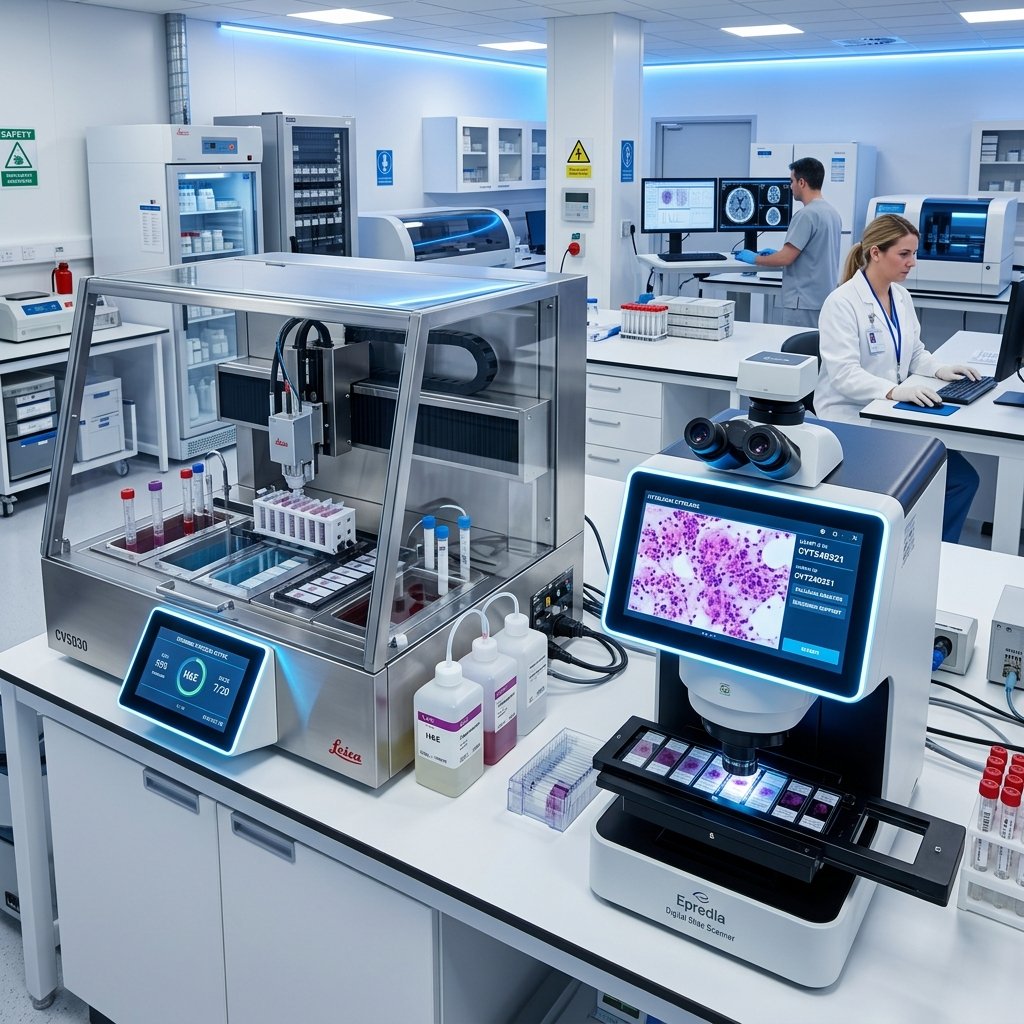
Why Cervical Cancer Screening Matters
Persistent infection with high-risk Human Papillomavirus (HPV) is recognised as the primary cause of most cervical cancers. However, the progression from HPV infection to precancerous lesions and invasive cancer usually occurs over many years.
This prolonged natural history creates an important opportunity for screening.
Regular cervical cancer screening can:
- Detect precancerous cellular changes
- Enable timely clinical intervention
- Reduce cervical cancer incidence
- Improve treatment outcomes
- Lower disease-related mortality
- Strengthen women's preventive healthcare
When combined with awareness, vaccination and appropriate follow-up, organised screening programmes become one of the most effective public health interventions available.
Challenges in Conventional Cytology
Despite decades of successful cytology-based screening, laboratories continue to face several operational challenges.
These include:
- Increasing screening volumes
- Manual slide preparation
- Variability in sample quality
- Time-intensive microscopic examination
- Reporting inconsistencies
- Workforce shortages
- Data management challenges
Improving efficiency without compromising quality requires automation, digitalisation and intelligent workflow support.
Beyond a Single Device
CerviScan® is not simply an instrument.
It is an integrated cervical cancer screening ecosystem that combines laboratory technologies, digital pathology and artificial intelligence into a connected workflow supporting organised screening programmes.
Every component has been developed to improve consistency, efficiency and standardisation across the cytology laboratory.
The CerviScan® Ecosystem
AI-PAP
Artificial Intelligence is transforming cytology.
AI-PAP supports cytologists and pathologists by assisting with digital evaluation of cervical cytology slides. Intelligent image analysis helps prioritise suspicious fields for review, improving workflow efficiency while ensuring that final interpretation remains under the supervision of qualified professionals.
DigiSmear
DigiSmear enables high-resolution digital imaging of cytology slides.
Digital slide management facilitates:
- Efficient review
- Image documentation
- Case sharing
- Education
- Quality assurance
- Longitudinal record management
Digital pathology also creates opportunities for remote consultation and collaborative review.
KytoSpin® & KytoFunnel®
Consistent sample preparation is fundamental to high-quality cytology.
KytoSpin® has been developed to standardise cytological specimen preparation, helping laboratories achieve reproducible sample quality while improving operational efficiency.
KytoFunnel® complements the sample preparation process by supporting efficient specimen handling and improving workflow consistency during cytology processing.
RotoStainer®
Accurate staining is critical for cytological interpretation.
RotoStainer® automates the staining process, helping laboratories achieve:
- Standardised staining quality
- Reduced manual intervention
- Improved reproducibility
- Higher laboratory throughput
Automation reduces variability while supporting consistent reporting across screening programmes.
A Connected Digital Cytology Workflow
S2M's cervical cancer screening ecosystem connects multiple stages of laboratory operations into a streamlined digital workflow.
Patient Registration
→Sample Collection
→Specimen Preparation
↓AI-Assisted Analysis
↓Digital Slide Imaging
←Automated Staining
←Pathologist Review
→Digital Reporting
→Clinical Follow-up
By integrating these technologies, CerviScan® helps laboratories improve efficiency while maintaining quality and traceability.
Artificial Intelligence in Cytology
Increasing screening volumes place considerable demands on pathology laboratories.
AI-assisted analysis can help laboratories:
- Improve workflow efficiency
- Support slide prioritisation
- Enhance digital review
- Reduce repetitive manual screening
- Improve documentation
- Facilitate quality assurance
Artificial intelligence complements laboratory expertise, allowing specialists to focus attention where it is needed most.
Supporting Organised Screening Programmes
Large-scale cervical cancer screening depends upon more than laboratory equipment.
Successful programmes require:
- Standardised workflows
- Digital documentation
- Reliable quality control
- Efficient reporting
- Longitudinal patient records
- Programme monitoring
- Outcome evaluation
The CerviScan® ecosystem has been designed to support these requirements while remaining adaptable to hospitals, diagnostic laboratories and public health initiatives.
Applications
The platform supports cervical cancer screening across multiple healthcare environments.
- Cytology laboratories
- Hospitals
- Women's health centres
- Cancer screening programmes
- Medical colleges
- Public health laboratories
- Research institutions
- National screening initiatives
Benefits
For Cytologists & Pathologists
- AI-assisted workflow support
- Digital slide management
- Standardised laboratory processes
- Improved reporting efficiency
- Better documentation
For Laboratories
- Increased operational efficiency
- Reduced manual variability
- Automated sample preparation
- Standardised staining
- Improved quality management
- Scalable laboratory operations
For Healthcare Organisations
- Integrated cervical cancer screening
- Efficient programme management
- Better utilisation of laboratory resources
- Digital workflow management
- Support for organised screening initiatives
The Future of Cervical Cancer Screening
The future of cytology lies in the convergence of laboratory automation, digital pathology and artificial intelligence.
S2M continues to expand the CerviScan® ecosystem by advancing intelligent laboratory technologies that improve efficiency, support clinicians and strengthen organised cervical cancer screening programmes.
By integrating automation with digital healthcare, CerviScan® reflects S2M's commitment to making cervical cancer screening more consistent, connected and accessible.
Modernise Your Cervical Cancer Screening Programme.
Discover how the CerviScan® ecosystem can help your laboratory or healthcare organisation improve efficiency, strengthen quality and support large-scale cervical cancer screening.